An Incredible Day Diving with Manta Rays & Colorful Fish in Bali
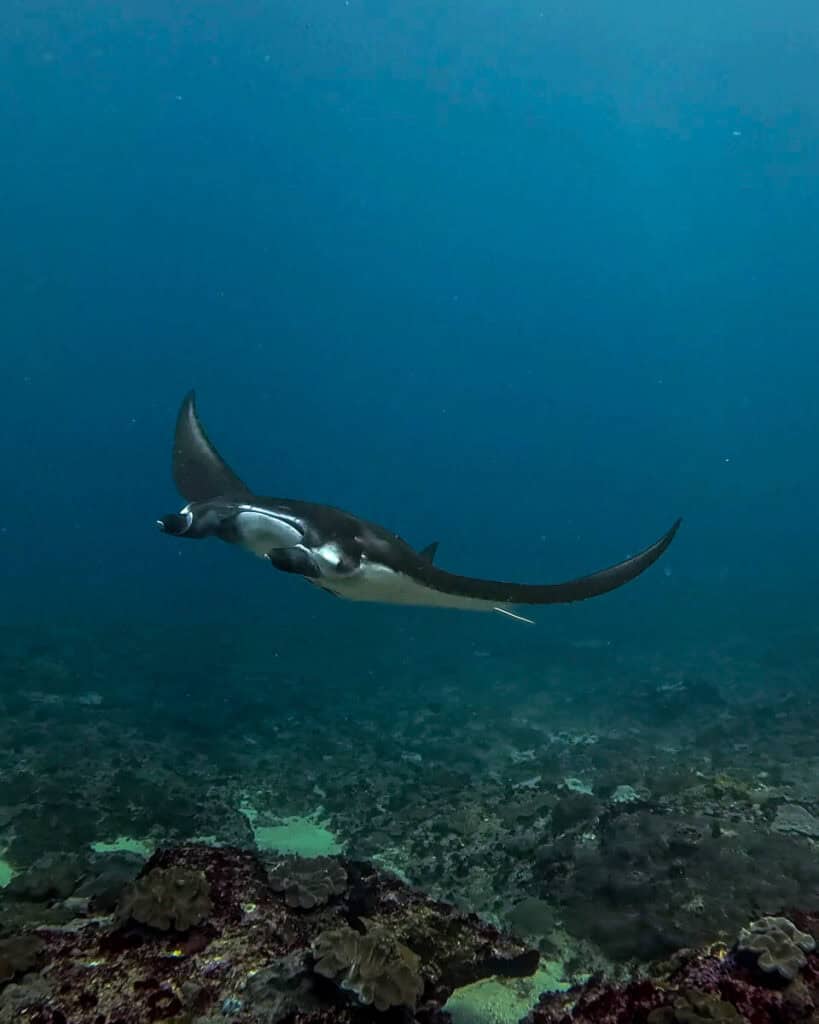
Imagine this: you’ve travelled to the other side of the world, jumped in the water for your first dive of the trip, and then — almost as if in slow motion — a manta ray starts swimming towards and over you, gliding by just inches above your head.
Did you know Bali isn’t just about the rice terraces and temples? It’s also one of the world’s best places to see manta rays!
I did this as part of a scuba diving day trip, but even if you aren’t a diver, you can take a very similar snorkel tour to these incredible spots!
In this post, I’ll share everything you need to know for your own magical manta ray experience from where to go, what to expect, and how to book it for yourself!
Nusa Lembongan & Penida quick hits
Where to Stay
– Budget: Castaway Island Hostel
– Mid-range: Royal Cottages Nusa Lembongan
– Luxury: The Tamarind Resort
Things to Do
– Road trip around the island
– Explore Nusa Penida
– Enjoy the quieter pace
– See the manta rays
If this will be your first time in Bali, check out my Ultimate Guide for First Timers to help you plan your trip!
Table of Contents
Why Manta Rays Belong on Your Bali Bucket List
Where to See Manta Rays in Bali
While you could run into a manta ray while diving or snorkeling in many of the waters around Bali — and more broadly around Indonesia — the most common spots to see them are Manta Bay and Manta Point in Nusa Penida.
Both of these spots work as cleaning stations for the manta rays; these are spots in the reefs where smaller, cleaner wrasse fish hang out and feed on the parasites, bacteria, and dead skin that live on the manta rays… it’s basically their version of going to the dentist.
Manta rays come back to their cleaning stations time and again, making these the areas where you are most likely to spot a manta!
Manta Bay on Nusa Penida is the most famous spot with high chance of sightings. But visibility can vary and as you can imagine, this is a popular spot!
Manta Point on Nusa Penida is a bit of a deeper dive or snorkel and has fewer crowds, but can have varying weather patterns, so conditions aren’t always right for visiting.
That being said, you probably won’t have much of a say in which spot you visit as weather, visibility, and current conditions will likely determine your location. Luckily, both of these spots make for incredible experiences, so you won’t be disappointed either way!
My recommendation would be to base yourself in Nusa Lembongan, a quick 30-minute fast boat from Bali, and work with a dive shop or snorkel tour operator on the island to plan your visit with the manta rays!
Need accommodation options for Nusa Lembongan? Check back on the site soon for all my recs!
My Experience Diving with Mantas
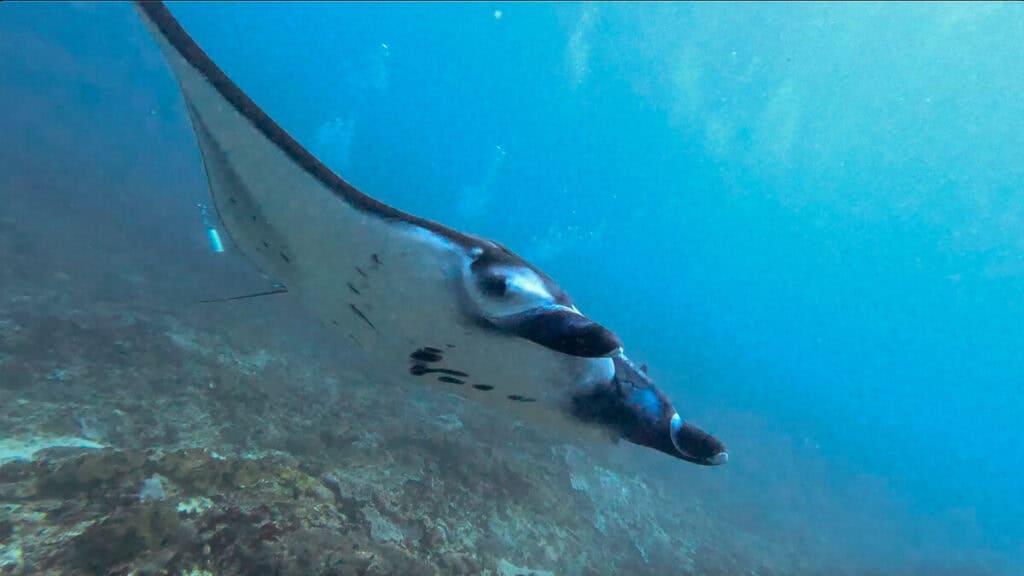
Diving with the manta rays in Bali was such a wonderful experience for me, and it was so much more than the dive I did.
We started our morning off at the dive shop after enjoying a wonderful breakfast at our hotel.
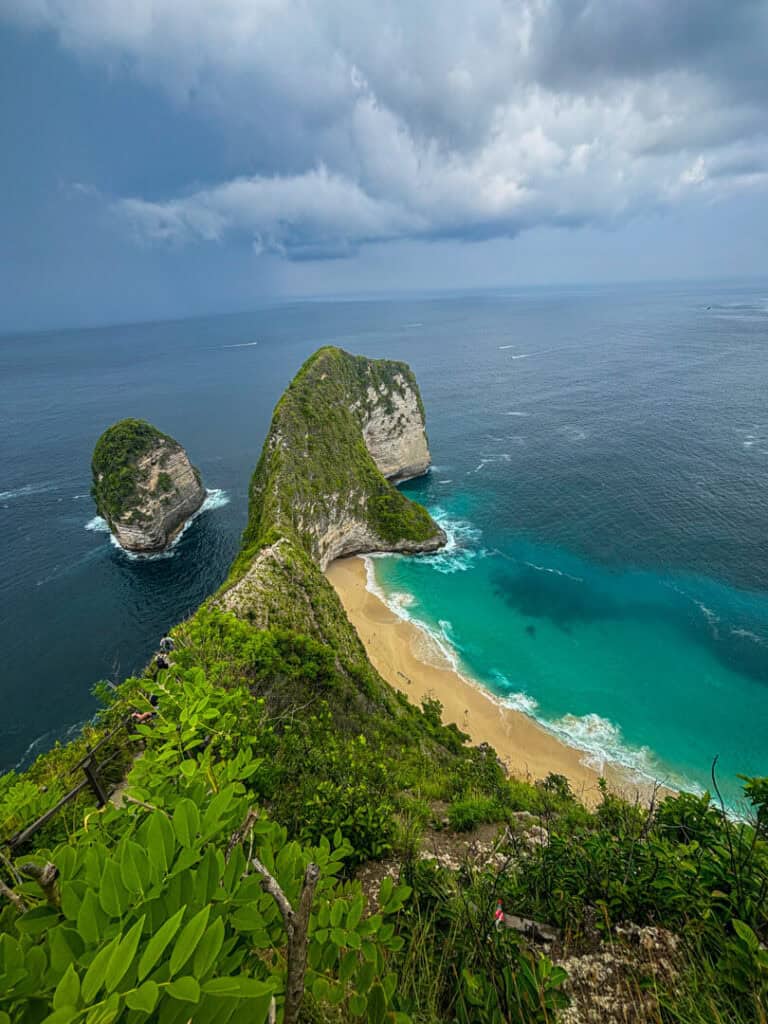
Everyone piled into the shop’s truck and headed to the Yellow Bridge where we boarded our dive boat. We spent about an hour on the boat getting to Manta Bay, and this boat ride was phenomenal — the enormous cliffs of Nusa Penida showed off almost the entire way.
Once we made it to Manta Bay, we put on our gear, got in the water, and were greeted by… a whole lot of other people trying to see manta rays.
Luckily, our dive guide was able to quickly guide us away from the majority of the crowds, and that’s when the magic of the dive really happened.
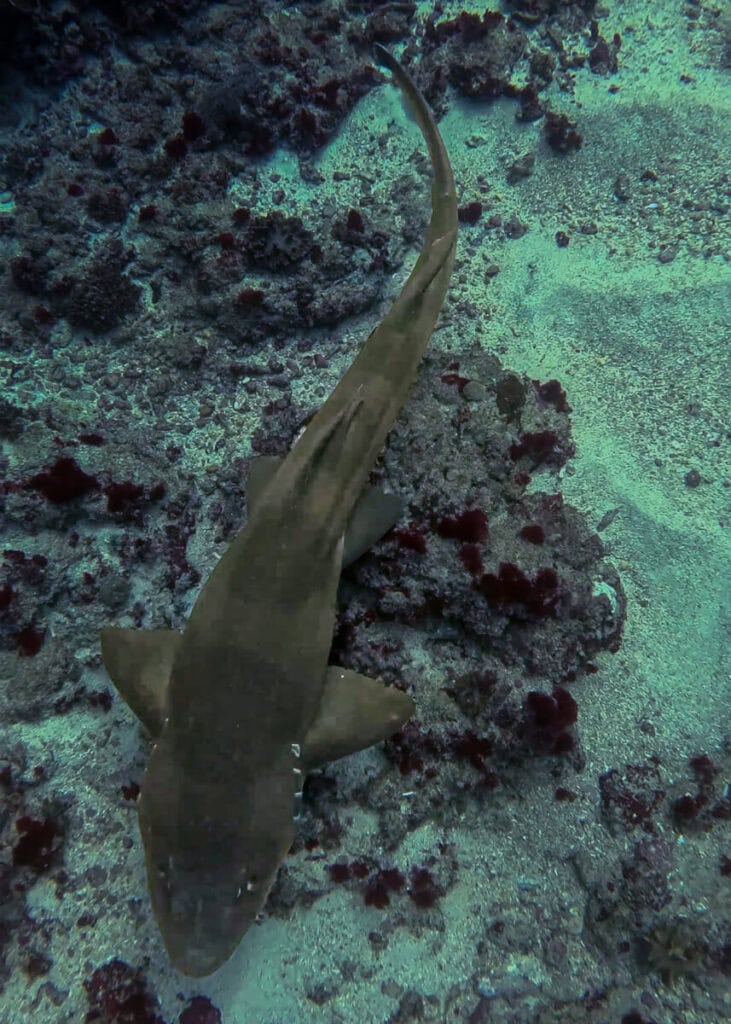
I saw a cute brown banded bamboo shark right beneath me, and while I was admiring its spots, my dive guide got my attention… there were a pair of mantas swimming off in the distance.
I could just make out their shadows as they were far away and the visibility wasn’t the best the day we went, but it kept getting better…more and more shadows started to show from the distance when suddenly…
I felt like I was living life in slow motion as a massive manta ray appeared in the distance, more clear than any of the shadows we’d been seeing.
Not only that, it was gliding right towards me. I stayed as still as possible as the majestic creature came closer and closer, eventually passing just inches over my head! Truly a memory I will never forget!
Once we ended the first dive, we all got back on the boat, shared our different encounters and photos, and made our way over to Crystal Bay — another popular dive and snorkel location on Nusa Penida.
And let me tell you Crystal Bay absolutely lives up to its name… I’ve never seen water so clear or visibility so good!
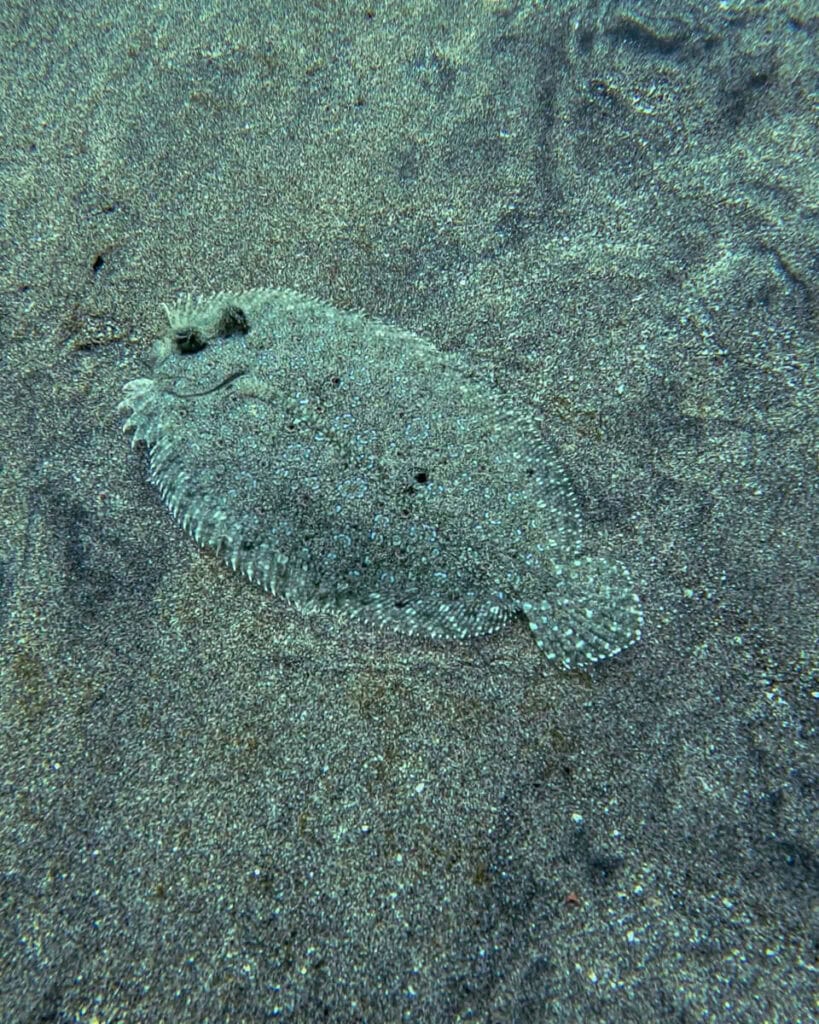
We saw all types of colorful fish, an eagle ray, and even a flounder hiding in the sand! It was an epic way to end our day.
Even though I dove, you don’t have to scuba to have an incredible manta experience — snorkelers see them too!
No matter how you are able to see them, I think everyone should take the time to visit these locations while in Bali!
- Price: From $105 per person
- Time: 7 hours
- ⭐️Rating: 4.8/5 stars
- Key info: Choose to partake in 2-3 dives with the shop; Can request specific dive sites (though not always guaranteed due to sea conditions)
What to Expect on a Manta Ray Tour
Now that I’ve (hopefully) convinced you to add “see the manta rays in Bali” to your bucket list, let’s go over some of the practical information for these tours:
Tour Length for Seeing Manta Rays in Bali
There are a few different types of tour for seeing the manta rays in Bali.
If you’re coming from Lembongan and only doing scuba diving or snorkeling, expect your tour to last about half a day. This is how we did it, and I loved spending half the day in the water and then having half the day to explore and relax back in Nusa Lembongan.
If you have at least three days in Nusa Lembongan and Nusa Penida, I think this is the best way to do it!
But if you don’t have that much time, you can take a full day tour which will take you to the popular snorkeling spots and also take you to through the highlights of West Nusa Penida so you can see more in a single day.
How the Manta Ray Tours are Structured
If you’re scuba diving to see the mantas, you’ll typically visit two locations — often Manta Bay and Crystal Bay — and have a single dive in each spot.
If you’re doing a snorkeling tour, you’ll typically visit 3 different snorkel spots.
Crowd Expectations When Seeing Manta Rays in Bali
I won’t lie to you, Manta Bay was one of the most crowded dive sites I’ve ever been to, and I image the snorkeling area of the site is just as crowded.
If you go into the experience with the mindset that this is a crowded experience, you’ll have a much more pleasant experience than if you are expecting to be the only boat in the area!
That being said, we were able to find more quiet spots while diving where we couldn’t see as many other divers, so be sure to follow your guide as they will know how to give you the best experience!
Are Mantas the Only Wildlife in the Area
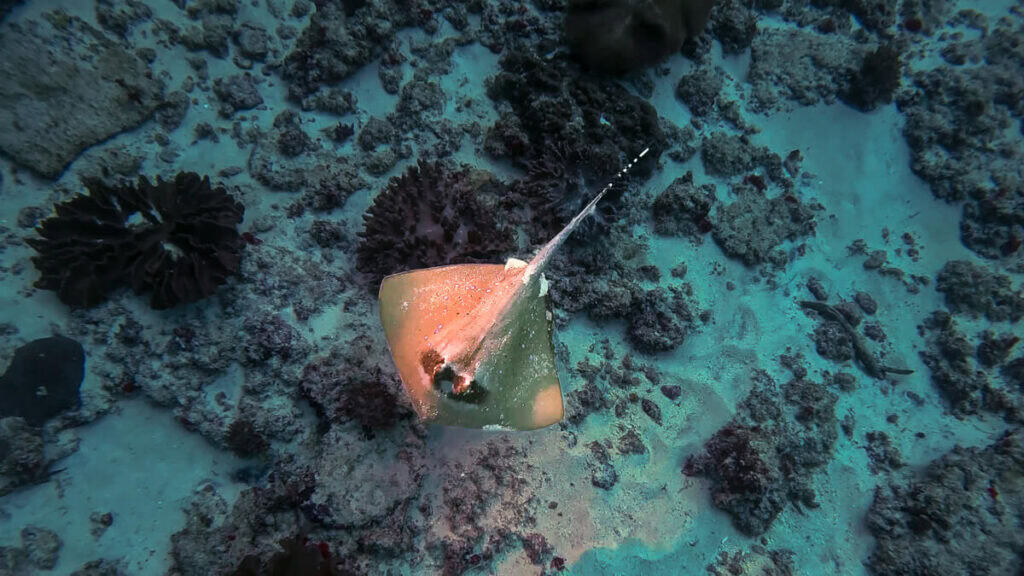
We saw so many cool marine creatures during our two dives! Yes, of course, the manta rays, but we also saw a shark, a sting ray, so many colorful fish that I felt like I was swimming inside an aquarium, and even a tiny seahorse!
And, if you’re visiting during from June to September, you also have a high likelihood of seeing the Mola Mola (sunfish) which come up towards the surface in the summer months.
What Conditions You Should Expect When Doing the Bali Manta Ray Tours
The conditions can vary on the manta ray tours
When diving in Manta Bay, we had okay visibility, but when we arrived to Crystal Bay, we had the best visibility I’d ever experienced! This will of course vary depending on the weather conditions; we had some storms the evening before our dives which could have been the cause of the lower visibility at Manta Bay.
The other thing to be aware of — especially if you’re scuba diving — is the current. We didn’t feel it too strongly while in Manta Bay, but it was very strong during our Crystal Bay dive.
Make sure to pay attention to your guide so you are prepared and safe if the current picks up.
Snorkeling vs Diving with Manta Rays
Not sure if snorkeling or scuba diving is the right options for your manta ray experience? Let’s break down the differences 👇
Scuba Diving with Manta Rays in Bali
I loved scuba diving with the manta rays, as I felt like it was a more immersive (pun intended 😉) experience.
Having a manta ray swim inches above my head, having their shadows glide over me… those are experiences I only had because I did this experience as a scuba dive.
That being said, you need a scuba certification (or be working towards an open water certification) in order to dive with the mantas. Plus, if you’re scuba diving, you’re more likely to experience heavy currents and, therefore, should feel comfortable dealing with the currents.
Book your manta ray diving experience here →
Snorkeling with Manta Rays in Bali
If you aren’t a scuba diver, snorkeling is hands down the best way to experience the manta rays!
This is easier, more accessible, and you’ll have a great chance of seeing the mantas from above! Plus, when you move to the other locations, you’ll be able to enjoy all the colorful fish and coral structures!
Book your manta ray snorkeling experience here →
Final Thoughts on Seeing the Manta Rays in Bali
Whether you dive or snorkel, seeing the manta rays in Bali is an unforgettable experience; if could do it again, I’d absolutely re-book this experience — it’s truly a Bali highlight!
A few final tips before you book your own scuba or snorkel tour:
- Book in advance (popular tours fill up) especially if you’re visiting during the high season from June to August
- Choose morning tours for calmer conditions
- Bring reef-safe sunscreen
- Respect marine life → no touching mantas
Let me know if you have any questions below, and please share your own manta ray experience in the comments below!
👇Or dive into my other Nusa Lembongan blog posts below!👇
Is Nusa Lembongan Worth Visiting? 5 Reasons This Bali Escape Belongs on Your Itinerary
Nusa Penida or Nusa Lembongan? Why This Bali Island Might Be the Better Pick for You
14 Memorable Things to Do in Nusa Lembongan
3 Days in Nusa Lembongan: The Ultimate Itinerary for Adventure & Relaxation
Where to Stay in Nusa Lembongan? Here’s How to Pick the Perfect Area & Hotel for Your Trip
I Regret Missing Out: How to Have an Incredible Nusa Penida Day Trip (Without the DIY Headaches)